Présentation
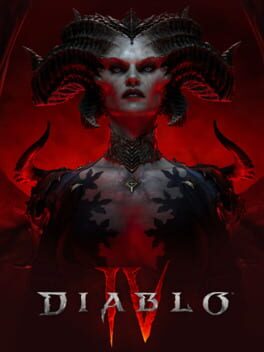
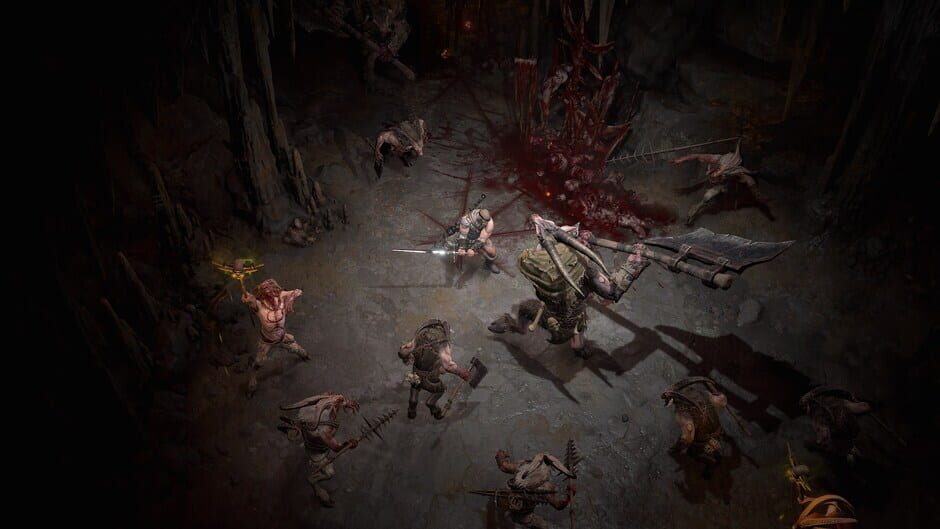
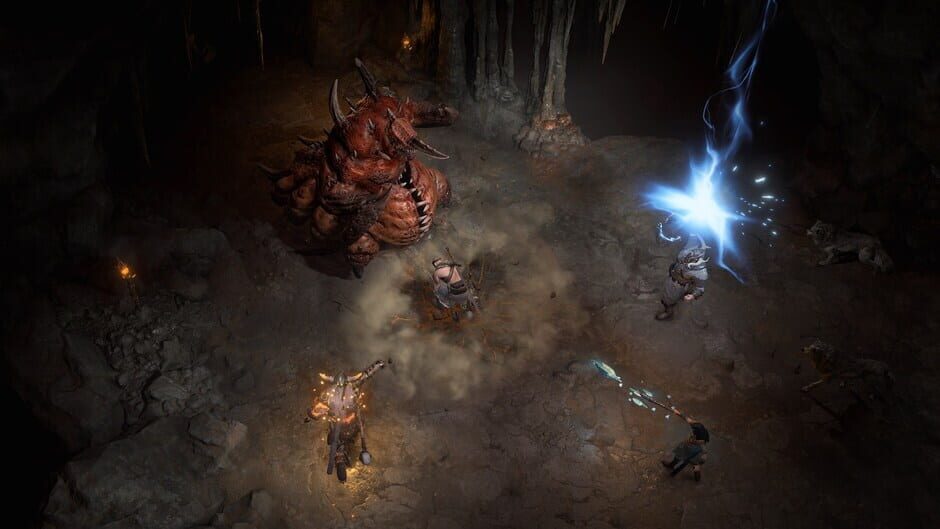
Diablo IV retrouve d’abord l’atmosphère sombre qui caractérise les origines de la série. Villages ravagés, cultes, cadavres, cryptes et communautés rongées par la peur composent un Sanctuaire où la frontière entre humanité et monstruosité semble constamment fragile. L’horreur ne vient pas uniquement des démons rencontrés : elle apparaît aussi dans ce que les habitants sont prêts à faire sous l’influence de la peur, de la foi ou du désespoir.
Cette ambiance accompagne une évolution importante de la structure. Le monde n’est plus organisé uniquement comme une succession d’actes linéaires. Plusieurs grandes régions de Sanctuaire forment un territoire largement connecté que le joueur peut explorer avec une certaine liberté. Quêtes secondaires, événements, donjons et forteresses occupées par des ennemis donnent régulièrement des raisons de quitter le chemin principal.
Au cœur de l’expérience reste cependant la boucle traditionnelle de Diablo : combattre pour devenir plus puissant, puis utiliser cette puissance pour affronter des adversaires capables d’offrir un meilleur équipement. Chaque nouvelle arme ou pièce d’armure peut renforcer une configuration existante ou donner envie de modifier complètement sa manière de jouer. Les effets légendaires prennent ici une importance particulière, car certains transforment directement le fonctionnement d’une compétence ou créent des synergies autour desquelles construire un personnage.
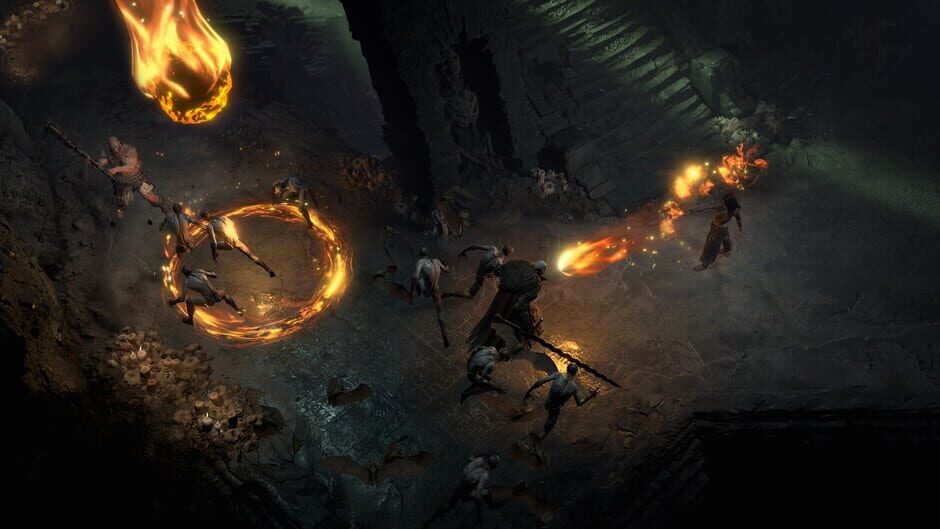
Les classes proposent des approches très différentes. Le Barbare peut exploiter plusieurs armes et privilégier le combat physique, le Sorcier manipule les éléments, le Voleur combine mobilité, attaques rapides et distance, le Druide mêle magie naturelle et transformations animales, tandis que le Nécromancien utilise notamment les morts et les forces macabres. Les arbres de compétences permettent ensuite d’affiner ces identités plutôt que de suivre une progression totalement imposée.
Cette construction devient progressivement l’un des principaux plaisirs du jeu. Une compétence choisie au début peut évoluer grâce à d’autres talents, à l’équipement et à différents effets jusqu’à devenir le centre d’une véritable mécanique de combat. La progression ne consiste donc pas seulement à augmenter des statistiques : elle pousse à comprendre comment plusieurs systèmes peuvent fonctionner ensemble.
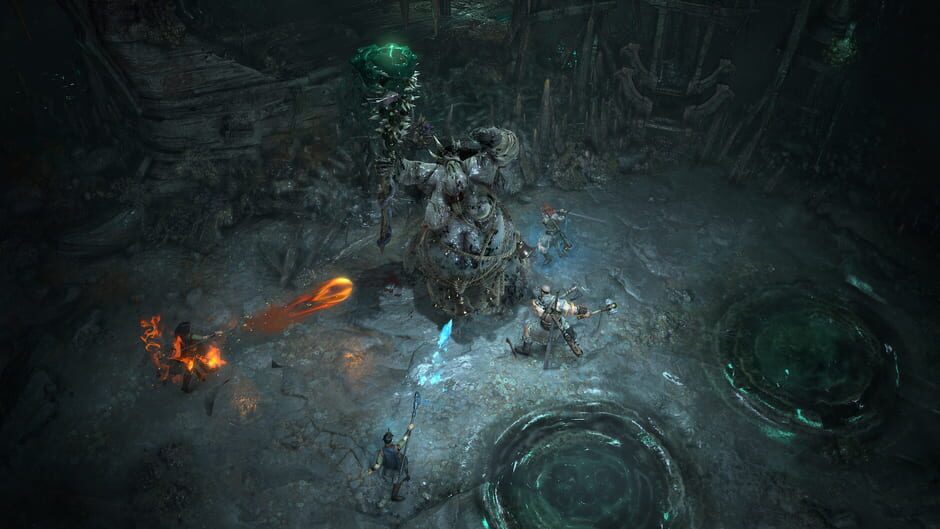
Les affrontements restent volontairement immédiats. Des groupes importants d’ennemis peuvent être éliminés rapidement lorsque la configuration fonctionne correctement, mais les élites et les boss obligent davantage à surveiller le placement, les temps de recharge et les effets dangereux. La satisfaction vient autant de l’impact des attaques que du moment où une construction jusque-là hésitante commence soudain à fonctionner comme un ensemble cohérent.
Diablo IV associe ainsi deux rythmes. Il propose d’un côté une campagne sombre et relativement personnelle autour du retour de Lilith ; de l’autre, il conserve cette logique presque infinie de progression où vaincre un adversaire peut immédiatement ouvrir la possibilité d’un nouvel équipement, d’une nouvelle combinaison ou d’un prochain défi.
Ce qu'il faut retenir
- Un action-RPG sombre centré sur le retour de Lilith et une nouvelle crise menaçant Sanctuaire.
- Un monde largement ouvert composé de plusieurs régions, donjons, événements et forteresses à explorer.
- Une progression fondée sur les compétences, l’équipement et la recherche de synergies entre différents effets.
- Cinq classes disponibles lors du lancement : Barbare, Druide, Nécromancien, Voleur et Sorcier.
- Des combats rapides où la construction du personnage devient progressivement aussi importante que l’exécution immédiate.
- Une direction artistique qui retrouve une horreur gothique, religieuse et macabre particulièrement présente dans les premiers épisodes.
Conclusion
Diablo IV repose sur une contradiction qui fonctionne particulièrement bien : rendre la progression presque obsessionnelle tout en plaçant le joueur dans un monde qui semble avoir perdu tout espoir. Sanctuaire est sale, brutal et profondément hostile, mais chaque combat offre la possibilité de trouver cette arme ou cet effet capable de transformer un personnage.
Son monde ouvert apporte une véritable sensation d’échelle et permet de quitter régulièrement la campagne pour explorer, mais cette liberté peut aussi disperser l’attention. Donjons, événements et activités reposent parfois sur des structures similaires, et l’accumulation de possibilités peut ralentir un récit qui fonctionne particulièrement bien lorsqu’il reste proche de Lilith et des personnages qui la poursuivent.
C’est néanmoins dans la construction du personnage que la formule retrouve toute sa force. Modifier quelques compétences, découvrir un effet légendaire puis comprendre qu’il permet une nouvelle combinaison crée cette sensation caractéristique de Diablo : celle de ne jamais considérer son équipement comme totalement définitif.
Diablo IV ne cherche donc pas uniquement à raconter le retour d’une figure majeure de son univers. Il utilise Lilith pour ramener la série vers une vision plus sombre de Sanctuaire, puis laisse son véritable moteur reprendre le dessus : tuer des monstres, devenir plus puissant et se demander, presque immédiatement, ce que pourrait contenir le prochain objet tombé au sol.
À savoir
- Diablo IV est développé et édité par Blizzard Entertainment.
- Le jeu est sorti le 6 juin 2023.
- Lilith est la fille de Méphisto et a participé avec Inarius à la création de Sanctuaire.
- Les cinq classes proposées au lancement sont le Barbare, le Druide, le Nécromancien, le Voleur et le Sorcier.
- Contrairement à la structure plus linéaire des premiers épisodes, Diablo IV permet d’explorer librement plusieurs grandes régions de Sanctuaire.
- Le jeu conserve la vue isométrique et la chasse au butin caractéristiques de la série tout en les intégrant à un monde plus ouvert et connecté.